Picture this: You’re scrolling through jewelers’ feeds, eyeing a ring dripping with what looks like congealed starlight. Obviously it’s Burmese—everyone knows that’s where real rubies live, right? Slow your scroll. That instinct? Classic misinformation. We’ve all bought into the myth that rubies are rare relics from exotic locales, sprouting magically in ancient rocks before tumbling into velvet boxes. Truth bombs incoming. This isn’t just gem gossip; we’re unpacking Earth’s high-pressure cookbook, synthetic shortcuts, and why that "perfect" ruby might be hiding cracks (literally).
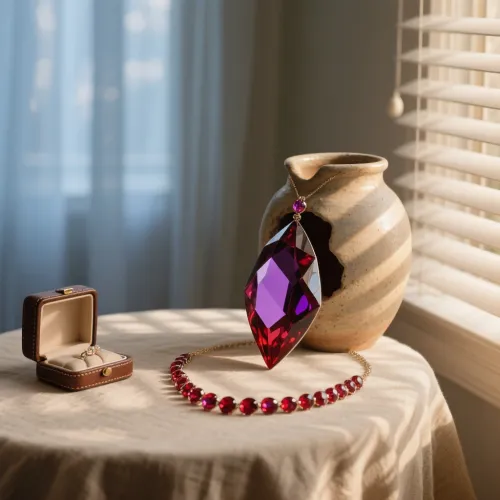
Common assumption: If it’s not Burmese, it’s basically costume jewelry. Thanks, Hollywood.
Reality check: Myanmar (Burma) set the ruby standard historically, but East African deposits—especially Mozambique—now rival the hype. Thailand? Still cooking rubies post-mining via heat-treatment hubs. Gem-trade veterans whisper about Vietnamese finds too.
How to trace a gem’s origin: Peep color zoning patterns using diffused light. Burmese rubies often show vivid purple-red cores fading to lighter rims under UV (fluorescence party!). Mozambican stones? Cooler red, less glow, possibly cleaner.
The trade-offs: Ethical sourcing certifications add 15-30% to the price tag but sidestep ecological nightmares. Fair warning: Untraced stones *can* mean murky supply chains, yet might deliver better clarity for less.
Common assumption: Rubies pop like diamonds in random rocks after, say, one volcanic burp.
Reality check: Not that simple. They form in metamorphic rocks like marble or basalt under pressure fit to crush planets—think geological slow cookers running for millions of years. Chromium atoms hijack aluminum oxide’s structure, painting it crimson.
Proof in the pressure cooker: Hexagonal crystal systems don’t lie. Burmese rubies grow near marble contact zones; Thai gems prefer basalt-heavy environments. That’s crust-level chemistry, not luck.
The lab-grown loophole: Since the 1900s, flame fusion can mimic this in hours—chemically identical, ethically lighter, value… divisive.
Common assumption: "Synthetic" = cheap glass knockoff. No biggie.
Real talk: Synthetic rubies share the exact same corundum DNA as natural ones—just skip the tectonic bake-off. Flame fusion’s fast, cheap, and produces flawless stones ripe for laser engraving and Apple Watch sensors.
Catch the clones:
Value vs. values: Synthetics let you rock ruby-red ethics affordably ($50/carat vs $5000+), but purists crave Earth-made imperfections as "nature’s signature." Your vibe, your tribe.
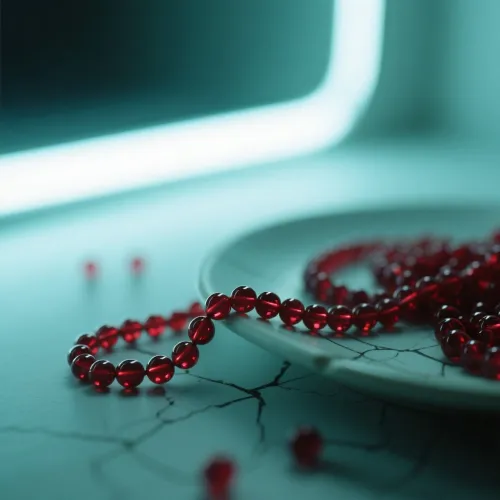
Common assumption: Darkest red? Biggest carat? Take my money—you’ve nailed quality.
Reality check: That pigeon-blood red fetches premiums, but clarity, origin, and *untreated* status often trump it. Fluorescence in Burmese gems? Cheat code for extra pop. Heat-treated Thai stones? Stable and affordable but lack origin cred.
Spot the upgrade tricks:
Decision hack: Ask for gemological certs (GIA, Gubelin)—they decode enhancements and origin drama. No cert = gamble mode activated.
Common assumption: Mining’s messy everywhere. Can’t avoid it.
Real talk: Artisanal miners might dredge riverbeds wrecking habitats, while regulated mines in Mozambique can adhere to water management rules. Still, traceability gaps haunt the industry.
Follow the paper trail: Certifications like Fairmined or SCS-007 add cost but map origins conclusively. Uncertified = eco-roulette.
The compromise game: African rubies tend to be cheaper *and* cleaner than Burmese stones, but may lack mythic prestige. Choices, choices.
Deep red isn’t a free pass. Over-saturation can stem from excess iron (hello, Thai rubies), muting fluorescence. Lighter Burmese rubies often glow fiery under LEDs—total game-changer. Test under diffused light—no cheating.
Silk needles (rutile) spell Burmese heritage. But excessive haze or cracks? Those can compromise durability—check pavilion facets under magnification. Heat treatment may dissolve these, improving clarity but eroding natural fingerprint... and value.
Your move: Prioritize stones with few surface-reaching fractures. Asterism effects (star rubies) need aligned rutile—if present, you’ve got magic *and* confirmation of natural origins.
Q: How does chromium turn boring corundum red? A: Chromium ions swap places with aluminum atoms—absorbing blue-green light, reflecting red. Pure science magic with a 2.4% impurity sweet spot.
Q: What distinguishes Burmese rubies? A: Their marbly birth zone gifts unmatched fluorescence—they literally glow under sunlight or UV, amplifying red intensity beyond carat weight.
Q: Can I ID synthetic rubies without lab gear? A: Tough. Focus on curved striae or bubbles under a 10x loupe—and demand retailer disclosure. When in doubt, gem labs are your BFF.
Q: Ethical mining—real or PR fluff? A: Supply chains remain murky. Certified small mines in Mozambique outperform unregulated pits—but traceability requires proper documentation.


$
