Picture this: you're scrolling late-night #MeditationTok when a glowing red circle catches your eye. "Unlock primal energy with natural Burmese ruby!" claims the influencer. Suddenly you're imagining this crimson marvel magically silencing your Zoom-meeting brainwaves. We've all been seduced by that gemstone glamour shot, right? Hold up though – before you mortgage your avocado toast budget for that "authentic vibrational tool," let's untangle fact from mystical fiction. Turns out, what makes ruby work in meditation has less to do with cosmic radiation and more with how our monkey brains attach meaning to shiny things.
We've all absorbed that pop-culture trope: "ruby channels life-force energy!" This probably leaked into your consciousness via movie wizards or Instagram healers waving rubies like metaphysical Wi-Fi boosters. It's tempting to imagine invisible lasers realigning your chakras – after all, doesn't its fiery color literally scream POWER?
Real talk: that deep red comes from chromium atoms, not miniature suns trapped in crystal. Research consistently shows no electromagnetic fields or bioenergy emissions beyond placebo effects. What's actually happening? When you grasp that stone, your brain connects its cultural symbolism – centuries of lore linking rubies to vitality – with your meditation intention. Think of it like clicking a favorite playlist: the opening notes trigger your "focus mode" through psychological association.
Here's your observational toolkit: try tapping stones lightly with metal. A clear ring indicates solid structure (nice for meditation bell integration), but that resonant ping? Just physics, not cosmic Wi-Fi signals. Notice warmth retention against skin too – while quick cool-down hints at thermal conductivity, it won't predict "energy flow" during sessions.
Your meditation cheat code: pair ruby rituals with breathing techniques when seeking emotional grounding. Pro tip? Rotate stones annually to avoid symbolic stagnation. And please – don't stress over "precious vibes." That synthetic ruby from Etsy? Your mind responds to consistency, not geological pedigree.
There's this persistent woo-woo whisper: "only Earth-born rubies contain ancient wisdom!" Maybe you've seen influencers clutching "unheated Burmese stones" with prices resembling luxury car payments. We intuitively link "natural" with "authentic power" because, well, nature sounds objectively magical.
Science check: synthetic rubies share identical chemical composition (Al₂O₃ + chromium) with natural ones. Vedic astrology practitioners report identical solar-association effects using lab-created stones. Truth bomb? That markup for natural specimens pays for bragging rights, not meditation performance.
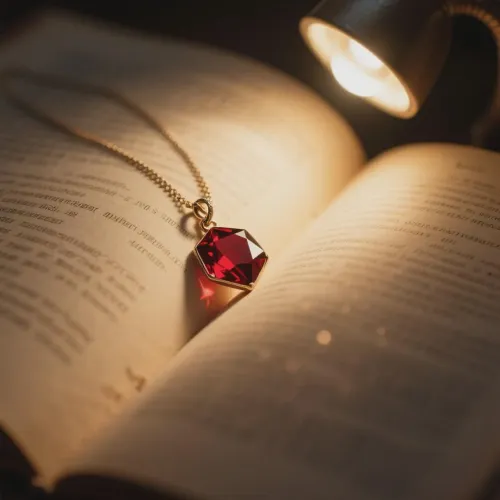
Grab a loupe and inspect inclusions next time. Those silky veins in natural stones? Pretty light-diffusers that don't impact use. More important: run fingers over surfaces. Rounded tumbles (natural OR synthetic) beat faceted edges for comfort in 20-minute palm holds.
Weight distribution matters: heftier pieces provide satisfying grounding anchors during movement meditations. Synthetic advantage? You can afford a perfectly weighted palm stone without selling crypto. Pro move: choose synthetics when symbolic consistency outperforms geological bragging rights.
Market hype screams "darker red equals better manifesting!" Influencers peddle deep crimson as some universal grounding elixir. Doesn't logic suggest more pigment = more power? We're conditioned to associate saturated colors with intensity after all.
Fun reality check: lighter rubies often induce unintended calm under soft lighting. Color perception shifts wildly too – that "perfect red" turns borderline pink under fluorescent office lights. The variable? Chromophore concentration differences across Myanmar, Thai, and Mozambican sources.
Observe color consistency: view stones under both noon daylight and your bedside lamp. Crimson shifting toward violet? That's high chromium under LEDs. Now flip it – notice how warmer artificial lights pull orange tones? This changes mood perception without affecting "energy."
Real meditation hack: test stones where you'll actually use them. Lighter stones in dim environments reduce visual distraction during eyes-closed practice. When aesthetics distract you? Flip that ruby over – its less sparkly backside becomes a minimalist anchor.
We treat meditation practices like universal software – just download the ruby hack! But cultural baggage matters. Western crystal healers pitch rubies as passion-activators while Hindu traditions tie them to solar discipline. Neither is "wrong," but exporting one methodology globally creates confusion.
Evidence reveals the bias: Vedic astrology specifically links rubies to Surya (Sun God) for leadership confidence. Burmese lore? Historically associates them with invincibility in battle. Meanwhile, modern crystal Instagram? You'll find rubies prescribed for relationship drama. See how location changes meaning?
Try the ritual resonance test: journal how a ruby's symbolism lands for YOU. Does "solar discipline" (Vedic) align better than "passion activation" (Western)? Pro tip: when traveling, research local interpretations. Maybe Southeast Asian traditions emphasize moonlight exposures – not your Californian guru's sunrise method.
Important caveat: traditional smoke treatments on Thai rubies don't impact meditation function, though vendors may charge premiums. Clean consistently with water and microfiber regardless – maintaining habit cues strengthens the psychological ritual.
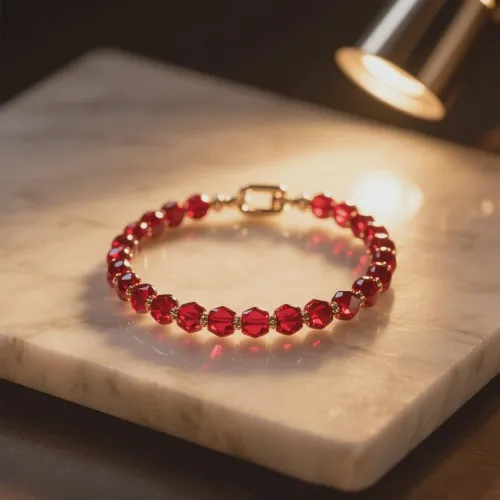
Instagrammable faceted rubies promise transcendent journeys, right? Why else would meditation stores showcase jewelry-like specimens? We subconsciously equate "more facets = more light interaction = more spiritual gain." Feels legit when crystals glitter hypnotically.
Practical truth: large facets become uncomfortable pressure points during sustained holds. Tumbled stones provide uniform comfort while raw "pigeon's blood" points? Great for photoshoots, less for actual practice. Weight-to-size ratios matter more than sparkle – a dense oval fits palms better than sprawling geometries.
Check dimensional stability: measure proportional thickness with calipers or compare grip comfort between stones. Optimal ergonomics? Usually 15-25mm diameter with 2:3 width-to-height ratio. Surface smoothness wins every time – rough edges distract like untrimmed fingernails during focus sessions. Pro tip: store travel-sized tumbled stones with your earbuds for subway meditation.
Tactile note: synthetic cabochons beat natural crystals for consistent texture. Why splurge on geological lottery tickets when uniform surfaces provide reliable focal points? Always choose grip comfort over gallery-worthiness.
Let's address the woo-woo elephant: influencers tout "science-backed energy fields!" Cue spectral analysis graphics. We secretly yearn for empirical validation – it's why we obsess over gem certificates showing chromium levels. Surely modern instruments detect... something?
Molecular reality: rubies score a sturdy 9 on Mohs scale (hence durability) thanks to aluminum oxide matrices. UV fluorescence proves chromium content, not magic. Double-blind studies? Consistently show meditation outcomes identical between rubies and placebo stones. That "energy tingling"? Likely your hand falling asleep.
Observe cool-down rates after skin contact: while rubies lose heat faster than quartz due to thermal properties, this doesn't correlate with meditation depth. UV lamps reveal striking red glows varying by origin, but again – zero functional difference. Your attention wanders? That's ordinary neurobiology, not "low-vibrational stones."
Bottom line: use rubies as mindfulness training wheels, not mysticism catalysts. Combine them with breathwork when entering flow states – the associative power builds over consistent practice. Remember to clean periodically with water, not to "recharge energies" but to maintain the ritual trigger. After all, neuroscience beats pseudoscience every sunrise.
How does tradition influence modern ruby meditation? Vedic astrology ties it to solar energy for confidence, while Western crystal circles emphasize passion. Neither approach overrides personal resonance though.
Do I need verification for my meditation ruby? Synthetics function identically, so skip expensive certificates unless collecting. Handle verification? Check surface smoothness and daylight reflectance instead.
Why choose ruby over other gems? Its cultural weight lends strong psychological anchoring potential. Durability also beats softer stones like selenite during movement practices.
Can I combine rubies with other techniques? Pairs well with rhythmic breathwork for grounding effect. Avoid in "activating" practices where its association may cause emotional overwhelm.


$
