You’re admiring that deep red ring when someone bumps your hand against a granite counter. Heart skips a beat, right? We’ve all had that "is-this-stone-now-roadkill" panic moment. Conventional thinking whispers that rubies are basically mini-boulders—indestructible superhero stones. Reality check: their toughness isn’t about superhero status; it’s a nerdy materials science story crossed with some sneaky marketing hype. Let’s cut through the fluff with some gemological ground-truth.
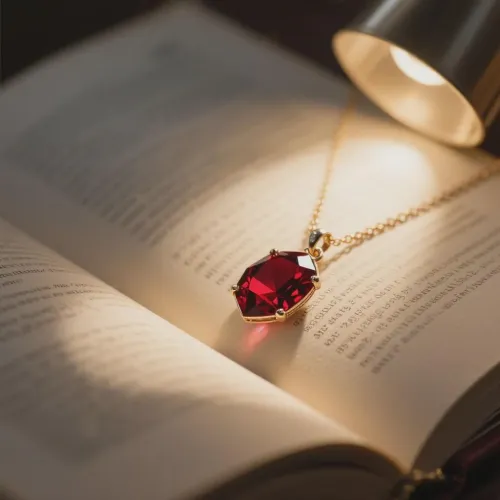
Common assumption: If diamond’s a 10 and ruby’s a 9, surely it’s just one tiny step less tough? Sounds reasonable until someone mentions that geology doesn’t grade on curves.
Reality check: The Mohs scale isn’t a smooth staircase—it’s more like climbing from gravel to Everest. Corundum sits worlds below diamond. Rubies resist scratching from everyday chaos like keys or sandpaper (quartz is only level 7), but one accidental scuffle with a diamond engagement ring can leave a mark.
Spot the difference: Place suspected rubies beside quartz or topaz (levels 7-8). Gently press facets together with caution—quartz will bear scratches while rubies shrug it off. Always test inconspicuous spots, folks.
Scale nuance: That 9 doesn’t equal diamond-level invincibility against all forces. Impact damage is where rubies show vulnerability—drop one on tile, and cleavage planes might crack. Design matters: bezel settings protect thin edges better than prongs.
Common assumption: Synthetics feel like "budget versions"—surely artificial = softer, right? This myth probably started alongside those shady 3am infomercials.
Reality check: Flame-fusion lab rubies share identical atomic structures with natural jewels. Whether forged underground or grown in reactors, aluminum oxide behaves the same. Authenticates don’t downgrade synthetics—professional scratch tests register identical Mohs 9 scores.
The identification giveaway: Synthetic versions under magnification may reveal curved growth lines or gas bubbles—nature’s signature is straight rutile needles. Grab that 10x loupe and look for uniformity; synthetics have unnerving perfection.
Value vs. hardness: Origin impacts price tags (natural stones command premiums), but both versions boast industrial-grade durability for jewelry. Choose synthetics without durability guilt.
Common assumption: That super-sharp princess cut must be tougher than round gems, surely? Blame action movies for making edges seem indestructible.
Reality check: Hardness derives from the mineral’s crystal lattice—shape won’t change foundational physics. Thin facets or corners, however, concentrate force when bumped. Picture stiletto heels versus wedges on weak flooring.
Observing risk zones: Pay attention to unprotected corners or knife-edge girdles when gem shopping. Slight rounding there hints at past fumbles. A well-cushioned halo? That’s armor.
Design tradeoffs: Complex cuts enhance sparkle but multiply vulnerable edges. Emerald steps? Chic yet exposed. Your lifestyle matters—active hands demand protective bezels over elegant pavé settings if minimizing chips is key.
Common assumption: Anything below diamond = fragile daily wear failure. Rubies are relegated to occasional wear boxes? That’s like garaging Ferraris.
Reality check: Mohs 9 means ruby defeats most threats: emeralds (7.5-8), opals (6), or pearls (3). Its toughness is moderate (not its hardness)—think "resilient but avoid hammer tests." Most engagement rings endure decades without battle scars.
Visual comparisons: Place softer gems like garnets under bright light—surface hazing indicates microfractures from dust abrasion. Rubies maintain polish longer as they laugh off quartz particles.
When sapphire plays twin: Rubies and sapphires are mineralogical siblings. Blue ones match reds in hardness—both corundum soldiers. Color is chemistry’s whim.
Common assumption: Hardest ruby = priciest ruby. Logical? Maybe for industrial drill bits, not red carpets.
Reality check: A flawless but pale ruby costs less than fractured pigeon-blood gems. Auction records pivot on crimson intensity, provenance clarity, and ethical certification—not Mohs scores. Laboratories grade color saturation before reaching for scratch tools.
Clarity’s hidden role: Deep red often accompanies silk inclusions—thin rutile threads scattering light. Ironically, this "flaw" raises value. Loupes turn investigators: hunt for balance between color and visibility.
Market rules: Untreated Mozambique rubies with glow-in-the-dark red > heated Burmese clarity wonders lacking hue depth. Hardness stabilizes longevity but rarely moves auction paddles alone. Rarity drives wallets.
Protect your gem: bezels buffer edges better than prongs against impacts. Skip ultrasonic cleaners if inclusions lurk inside—steam gently instead. For heavy-use jewelry like signet rings, size matters: larger gems mean wider targets. Still unsure? That's why labs exist. Get paperwork, not assumptions.
Visual cues that reveal stories
How exactly is hardness measured beyond the Mohs kit?
Labs use precise Vickers or Knoop indenters applying micro-loads then measuring dent sizes. Numbers > guesses.
Why do lab and natural rubies test identically?
Synthetics replicate crystal structure atom-by-atom—like growing ice indoors versus outdoors. Zero composition differences = identical properties.
What daily habits preserve ruby jewelry?
Avoid diamond dust collisions (yes, those exist), skip ultrasonic baths if inclusions appear, and store solo. These outlive trends when handled wisely.
Heating treatments—hero or villain for durability?
Heat dissolves blue-purple undertones but doesn’t touch the molecular hardness. Stability stays intact.
Buying tip for lasting pieces?
Settings over stones: choose protective designs. Loupe over legends: demand inclusion maps. Certificate over charisma: trust the lab docs.


$
