Picture this: You're scrolling Instagram and see a "rare African ruby" glowing like molten pink champagne. Instinct screams "too good to be true," right? We've all been trained to assume rubies only come from Myanmar or arrive pre-boosted in labs. But here's the twist: Gems like Winza Ruby flip those assumptions. They emerge from Tanzania's specific graphite-packed earth with colors so vibrant, they defy classical ruby stereotypes. That gut-check moment you just had? That's why we're diving deep into Winza's backstory – from its accidental discovery to those telltale graphite flakes under magnification. Time to demystify this geological unicorn.
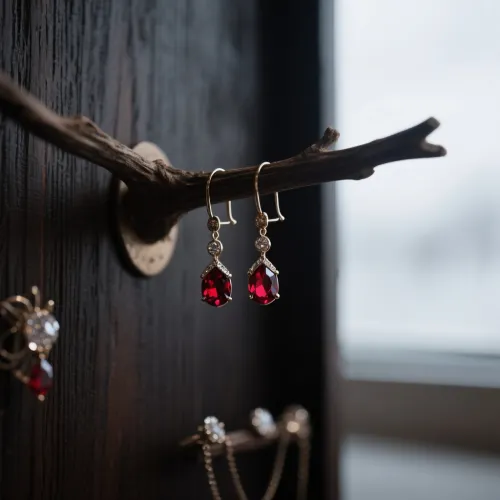
Real talk: Most ruby hunters mentally autopilot to Myanmar or Thailand – those legacy sources dominating jewelry lore for centuries. Makes sense when auction headlines hype Burmese gems. Thing is, Earth’s gem pantry has surprising drawers. Winza rubies snuck onto the scene circa 2006, emerging exclusively from Tanzania’s Dodoma region where graphite-loaded rock layers create perfect pressure cookers.
Here’s the geological mic-drop: Unlike most ruby hotspots, Winza gems form inside graphite-saturated metamorphic zones alongside minerals like sillimanite. That graphite isn’t accidental bling baggage – it directly feeds the chromium that dyes them pinkish-red. Gemology databases now verify this fingerprint: Find graphite inclusions + Tanzanian paper trail? You’ve got genuine Winza.
Field verification hacks:
Availability reality-check: Despite Tanzania’s modern ruby street cred, Winza deposits tap out unpredictably. One season might deliver carat-worthy crystals; next year? Ghost town. And location matters – gems from different pit depths show wildly varying color saturation. Translation: Two "Winza" stones ≠ identical twins.
Okay, let’s name the giraffe in the room: Pop culture trains us to expect Kardashian-level blood-red rubies. So when Winza strolls in rocking pink undertones? Immediate side-eye. Casual observers might dismiss it as "less authentic" or assume color-boosting labs got involved. Real talk: That pinkish shimmer is Winza flexing its natural credentials.
Evidence doesn't lie: Chromium – the same element coloring classic red rubies – causes Winza’s pinkish hue, just at different concentrations and under graphite’s influence. Check science modes: Shine UV light on one and it practically blushes crimson due to chromium fluorescence. No human intervention needed when nature slays this hard. Plus, unlike heated rubies avoiding color zoning issues, Winza’s natural palette can shift between raspberry and rose gold depending on lighting – consider it mood ring energy for gem nerds.
Color-spotting pro tips:
Visual tradeoff alert: Want that Insta-perfect transparency? Prepare for graphite inclusions playing peek-a-boo inside. Flawless Winzas exist but expect rarity tax. Whereas slightly included gems? Hello, authentic graphite confetti proving its backstory.
We get it – "metamorphic rock formation" sounds like a geology professor’s insomnia cure. Most assume rubies form uniformly under generic pressure. Winza laughs at simplicity. These gems essentially pressure-cook inside graphite-packed metamorphic crockpots alongside minerals like garnet and sillimanite. That graphite isn’t dirt – it’s the secret influencer.
Cue evidence squad: Mineral examinations repeatedly find graphite flakes and needle-like inclusions trapped inside Winza crystals like prehistoric snapshots. They prove the stones grew surrounded by carbon-rich layers – the geological womb giving Winzas their quirks. Hardness tests (hello, Mohs 9 rating) further confirm corundum DNA, while fluorescence patterns mirror chromium’s natural dance party under extreme heat.
Authenticity test rules:
Formation reality bites: Winza’s birth environment means near-zero "perfect" crystals. Expect natural variations: one corner might dazzle with clarity while graphite stardust floats nearby. Tradeoff? Uniqueness over cookie-cutter perfection.
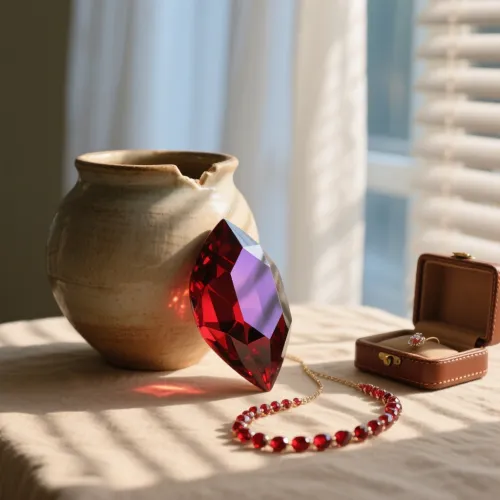
Modern gem veterans expect rubies to enter markets pre-baked – heat-treated to Homura-level saturation. Seeing Winza’s natural pink hue? Automatic assumption: "They must’ve enhanced it." Reality twist: Graphite-rich conditions already maxed Winza’s color potential underground. Laboratories basically shrug – why heat-treat what nature perfected?
Gem lab intel confirms: High-chromium Winzas fluoresce intensely under UV without help – smoking gun for zero treatment. Spectroscopy tests also reveal uninterrupted element signatures untouched by furnaces. Plus remember those graphite flecks? Heat treatments would dissolve or morph them; unchanged graphite = natural stone flex.
Untreated verification:
Marketplace nuance: Yes, untreated Winza rubies exist. But exceptions happen. Always verify – unheated gems command premiums precisely because they skipped the gem equivalent of Photoshop.
Instagram hashtags scream #RareWinzaRuby! Our brains translate: "ultra-scarce museum piece." Reality check? Winza rarity depends on three loaded words: "for now." Discovered only around 2006, Tanzania’s deposits fluctuate – boom seasons yielding carat-worthy stones to dry spells creating overnight unicorns. True scarcity lives at the intersection of mining luck and gem quality.
Data-backed perspective: The majority of Winzas come in under 1-carat sizes; 2+ carat clean specimens enter legit rare territory. Market ripple effect: Temporary mining downturns can spike prices, but quality inconsistency tempers manias. One collector’s "ultra-rare" find might have cloudy zoning beside another’s bargain. True gems? They hit that sweet spot between size, clarity, and neon pink vibrance.
Value assessment hacks:
Rarity math: Unlike centuries-old sources, Winza’s youth means undiscovered deposits could emerge tomorrow. Today’s "rare" might be next season’s farmers market find – and that’s the game.
Q: How do you identify Winza Ruby against regular rubies?
A: Start with origin documents and then microscope work: Graphite flakes > rutile needles is Winza’s signature calling card. Bonus points for distinctive pink undertones shifting in different light.
Q: Why isn't Winza Ruby heat-treated as often?
A> Those graphite-rich formation conditions already optimized color saturation underground. Laboratories avoid tampering with naturally vibrant stones unless clarity desperately needs rescue ops.
Q: What's Winza's size reality vs. influencer claims?
A: Most hover between seed-sized (<1ct) to decent cocktail rings (1-2ct). True showstoppers over 2ct exist but bring lottery odds plus premium pricing for clean specimens.
Q: Are Winza rubies actually rare?
A> Context matters: Unearth a vivid 3ct flawless? Jackpot rarity. Sub-carat slightly included? More accessible. Geological scarcity ≠ marketing scarcity.
Q: How can one pronounce this correctly?
A: Say "Win-zah" – emphasis on first syllable rhyming with "pin," not "wine." Tanzanians approve this message.


$
